
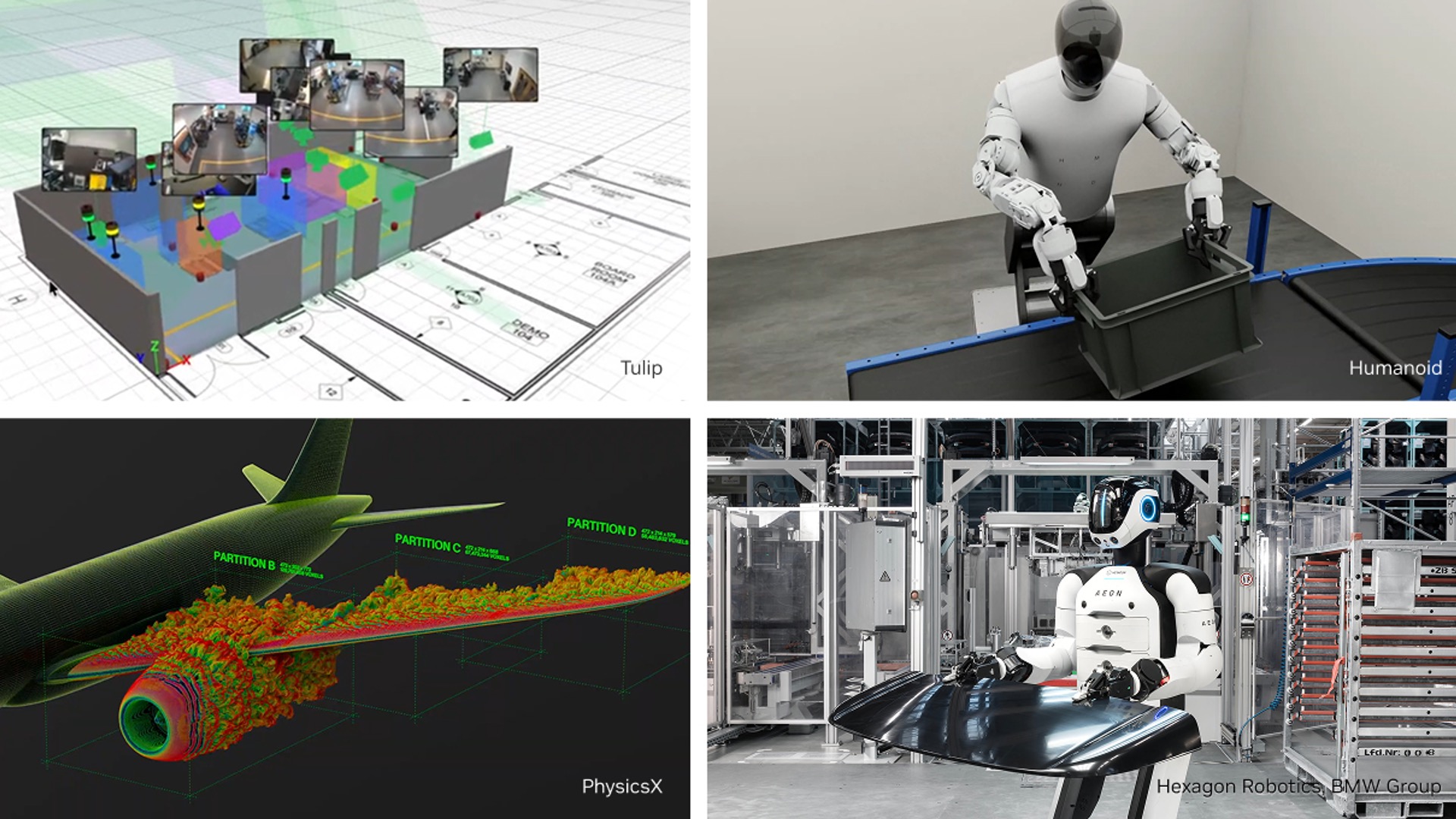
NVIDIA has unveiled a transformative vision for manufacturing at Hannover Messe 2026. Leveraging AI-powered infrastructure, robotics, and digital twins, they showcased innovative solutions that redefine efficiency and scale across industrial ecosystems.
The Industry Shift to AI-Powered Manufacturing
Manufacturing is undergoing a seismic transformation. With faster design cycles, leaner operating demands, and a global shortage of skilled labor, industries are turning to AI-driven solutions to remain competitive, optimize workflows, and reimagine production processes. At Hannover Messe 2026, NVIDIA and its partners gave attendees an in-depth look into how AI is enabling smarter factories, adaptive robots, and simulation-powered engineering.
Infrastructure for Scale: The Industrial AI Cloud
One of the centerpieces of NVIDIA’s showcase was the Industrial AI Cloud, built in Germany by Deutsche Telekom with NVIDIA AI technologies. This platform lays the foundation for running large-scale AI and robotics applications securely, tackling everything from digital twins to real-time simulations. Companies like SAP, Wandelbots, and Siemens demonstrated how they use this sovereign infrastructure to streamline operations across diverse industries. Another major user, EDAG, unveiled plans to deploy this cloud for automotive and industrial engineering, significantly enhancing efficiency at scale.
Tech giants including Dell Technologies, IBM, Lenovo, and PNY also highlighted systems optimized for NVIDIA technologies, showing off edge-to-data-center solutions that help manufacturers harness vision AI, accelerated computing, and autonomous robotics effectively.
Smarter Design Through AI Physics
AI-driven engineering tools are redefining how products and systems are designed, simulated, and tested. NVIDIA partners like Dassault Systèmes, Siemens, and Synopsys are integrating advanced AI frameworks such as CUDA-X, Omniverse, and Nemotron into their software platforms. These solutions enable engineers to perform real-time, physics-driven simulations and explore new designs with AI’s predictive powers, pushing innovation faster than ever before.
Real-Time Digital Twins in Action
Digital twins—a virtual replica of physical assets—continue to be pivotal for transforming industrial systems. At Hannover Messe, companies like ABB, Kongsberg Digital, and Microsoft showcased solutions built on NVIDIA Omniverse libraries and OpenUSD formats. These twins offer breakthroughs in optimization, allowing organizations to simulate operations, anticipate production bottlenecks, and quickly deploy robotic fleets with minimal risk.
For example, Microsoft demonstrated how integrating NVIDIA Omniverse libraries with Azure services enables lifelike, real-time physical simulations that help companies optimize systems prior to real-world implementation. Similarly, Siemens highlighted the integration of NVIDIA tools into their Digital Twin Composer to deliver insights on operational efficiency.
Vision AI and Proactive Robotics
AI agents capable of adaptive reasoning and dynamic action stole the spotlight. NVIDIA’s Metropolis libraries and Cosmos open models were used to create vision AI systems that can monitor factory performance in real time, recognize quality issues, and proactively address inefficiencies. Invisible AI and Tulip Interfaces presented solutions leveraging these technologies to improve production yields and reduce costly errors. Toyota and Terex, for instance, have already reported measurable improvements from deploying these systems—including a 10% reduction in rework and production cycle optimizations.
In robotics, companies showcased physical AI frameworks designed for autonomous operations. With robots gaining the capability to perform tasks in unstructured environments, reprogramming workflows and adapting to changing production needs become streamlined—effectively replacing single-task machines with intelligent, multifunctional systems. Industry leaders showed robots completing real tasks and shared roadmaps for scaling automation across manufacturing plants globally.
Why This Matters
The innovations unveiled at Hannover Messe indicate that AI is no longer a supplementary tool but a foundational element in manufacturing. As companies integrate sovereign AI clouds, vision AI systems, and autonomous robotics, the cost reductions, efficiency gains, and increased production agility will significantly reshape global markets. Infrastructure investments like NVIDIA’s Industrial AI Cloud set a precedent for other industries to follow, while digital twins and simulation platforms reduce experimentation risks and deliver insights faster. This event marks a pivotal step toward realizing fully AI-driven manufacturing ecosystems capable of responding to ever-evolving challenges.