
Executive Summary
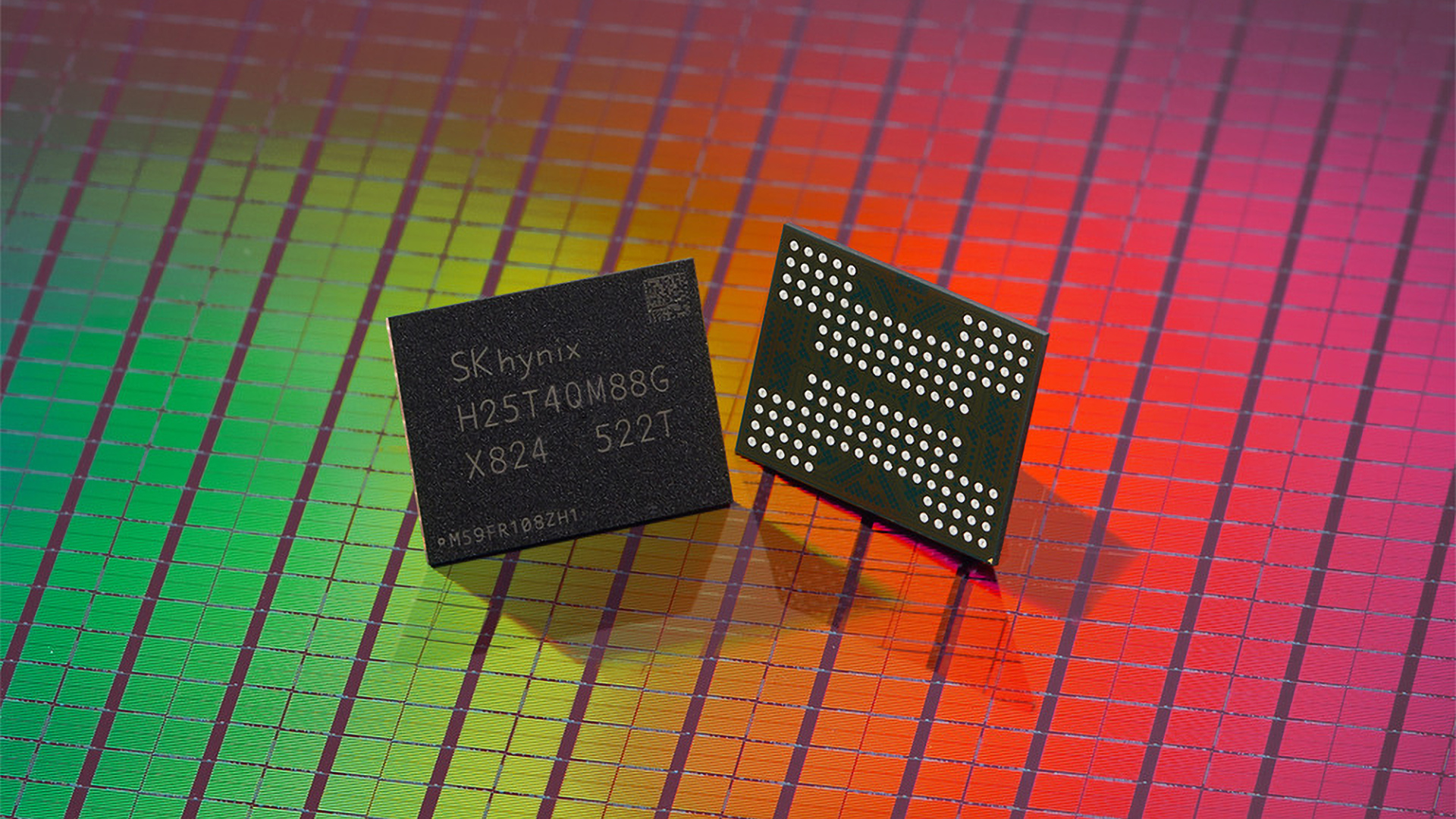
SSD prices have surged up to fourfold since late 2025 due to AI-driven demand for NAND flash memory. Key manufacturers like Samsung, SK Hynix, and Micron are prioritizing AI customers, constraining supply to consumers and other industries. Secondary effects include rising HDD prices as well.
Technical Breakdown
The Core Cause: AI's Insatiable Demand for NAND Flash Memory
NAND flash, a fast and energy-efficient storage technology, is critical for AI workloads such as model training and inference. AI systems require large-scale, high-speed data storage for datasets often spanning terabytes, driving a shift in supply chain priorities.
Market Concentration
Global NAND production is dominated by three manufacturers — Samsung, SK Hynix, and Micron — who also lead the volatile DRAM (RAM) market. As AI companies continue to purchase memory in bulk, smaller sectors like consumer electronics and gaming have been significantly deprioritized.
Price Surges and Disruptions
The Samsung 990 Pro SSD (4TB) saw prices increase from $320 to nearly $1,000.
The Western Digital Black SN850X (2TB) has jumped from $173 in 2024 to $649 as of April 2026.
SanDisk SSD products experienced a 200% price hike in just a few months.
Aside from SSDs, HDDs are also affected. Although HDDs offer lower per-gigabyte costs compared to SSDs, sizable inventories are being redirected for AI data storage purposes. For example, Seagate's Barracuda series HDDs have nearly doubled in price.
Strategic Industry Impacts
Micron, for instance, exited the consumer RAM/SSD market entirely, doubling down on enterprise NAND production to meet AI cloud-scale demand. As of March 2026, Micron is seeing nearly 170% NAND revenue growth year-over-year, leaving fewer resources for downstream markets like gaming PCs, laptops, and modular platforms (e.g., Framework).
{ "NAND Demand vs. Supply": [ { "2025Q1": "Normal supply levels" }, { "2025Q4": "Increased AI demand (baseline exceeded)" }, { "2026Q1": "Significant supply imbalance" } ] }
Why SSD Prices Are Outpacing HDDs
While HDDs remain competitive for bulk, cost-effective storage, SSDs have seen more acute price spikes due to their indispensability for high-speed, low-latency operations — particularly for AI training and data streaming applications, which penalize disk-based I/O bottlenecks.
Why It Matters
Many system architects may need to reassess their storage strategies as SSD and HDD price volatility disrupts budget planning. Developers relying on consumer hardware may face further challenges procuring cost-effective SSDs, while cloud vendors benefiting from economies of scale are likely to adapt more smoothly. Teams planning edge AI deployments or device-level local storage could experience the most direct headwinds, given SSD-intensive use cases.
Open Questions
How sustainable is this AI-driven storage demand from a supply chain perspective?
Will consumer storage pricing stabilize in the near term, or continue escalating?
Could smaller NAND market entrants disrupt the current vendor monopoly?
Community Discussion
Hacker News discussion
Reddit thread
Source & Attribution
Original article: The AI RAM shortage is also driving up SSD prices
Publisher: The Verge AI
This analysis was prepared by NowBind AI from the original article and links back to the primary source.